

Aloe Vera for Melasma: What It Can and Can't Do
Melasma is the most stubborn kind of dark spot, and aloe vera alone will not clear it. That is the honest answer. Melasma is driven by hormones and heat as much as by the sun, which makes it behave differently from a sunspot or a healing blemish mark. Aloe still has a real, useful job to do here. Here is exactly what it can help with, what it cannot, and the routine that actually moves the needle.
Why melasma is different from other dark spots
Most hyperpigmentation, like a spot left behind after a breakout, comes from a single trigger: one injury, one healing cycle, one patch of pigment. Melasma is different. It shows up as larger, symmetrical patches, usually on the cheeks, forehead, or upper lip, and it is driven by a mix of hormones (pregnancy, birth control, thyroid changes), heat, and UV light acting on melanin producing cells that are already primed to overreact. That is why melasma can fade and then return with a summer trip, a hot yoga class, or a hormone shift. It is a pattern to manage, not a single spot to erase.
What aloe vera can genuinely do
- It calms the skin around the patches. Melasma prone skin tends to be reactive, and irritation itself can deepen the pigment. Aloe's soothing compounds keep the skin calm enough to tolerate the actives that do the real work.
- It hydrates without adding heat or friction. Since heat is a melasma trigger, a lightweight, cooling formula is genuinely better suited to this condition than a heavy or occlusive one.
- It carries aloesin, a mild tyrosinase inhibitor. Aloesin has been shown in lab studies to gently slow the enzyme that produces melanin. The effect is real but small on its own, which is why we never rely on aloe by itself for tone concerns.
What aloe vera can't do
It will not lighten established melasma patches in any way you would notice on its own, and it will not stop melasma from recurring if heat and sun exposure continue unchecked. No cosmetic ingredient, aloe included, can promise removal of melasma. What actually helps is a combination of consistent brightening actives, diligent sun protection, and patience, since melasma fades over months, not days.
The one habit that matters more here than anywhere else
Sun protection is not optional with melasma, it is the entire foundation. UV light is one of melasma's biggest triggers, and even a few unprotected minutes can undo weeks of progress. Reapply, wear a hat in strong midday sun, and choose a mineral sunscreen you actually enjoy wearing so you keep using it. We wrote a longer breakdown of why mineral SPF matters, especially for deeper and melasma prone skin tones.
A realistic routine for melasma
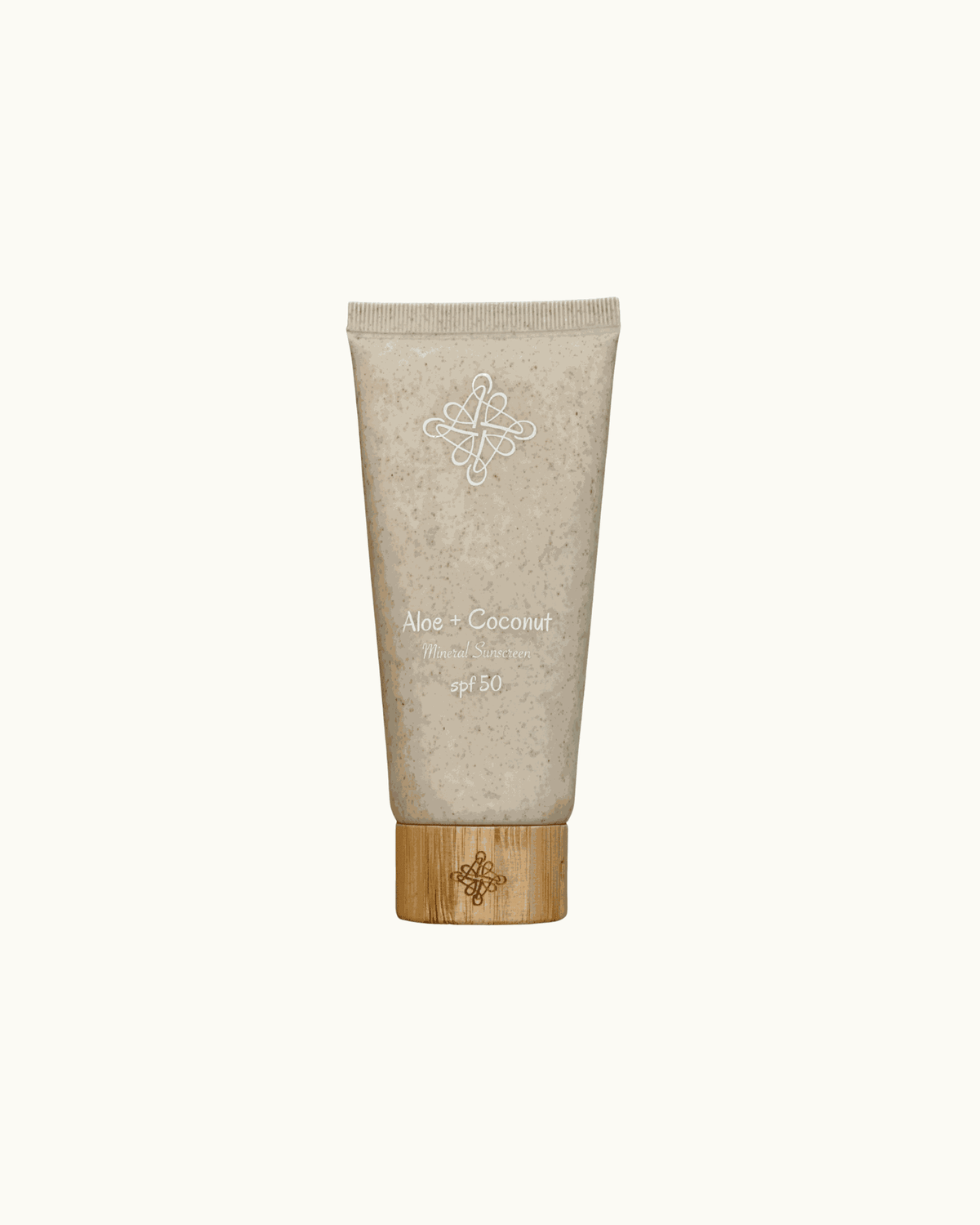
Morning: gentle cleanse → Anú Radiance Serum (its tranexamic acid, vitamin C, and licorice root target melasma's pigment pathway directly, with aloe keeping the formula calm) → moisturizer → Aloe Vera Mineral Sunscreen SPF 50, reapplied midday if you're outdoors.
Evening: cleanse → Anú → Hózhó Restorative Cream to support the barrier overnight.
Once or twice a week: a gentle exfoliation, like Willow Bark Facial Exfoliant, so pigment sheds evenly instead of sitting on the surface.
Read more on the mechanism in our guide to tranexamic acid for dark spots, and see how melasma compares to other pigment concerns in our broader guide to aloe vera for dark spots and hyperpigmentation.
Frequently asked questions
Does aloe vera make melasma worse?
No, aloe is gentle and non-photosensitizing, so it will not worsen melasma. It simply is not strong enough to clear it on its own.
How long does it take to see improvement?
With consistent tranexamic acid, vitamin C, and daily sun protection, most people notice softening around eight to twelve weeks. Melasma is a pattern that gets managed over seasons, not a spot that disappears overnight.
Will melasma ever go away completely?
For some people it fades significantly once the hormonal trigger resolves, for example after pregnancy. For others it is a lifelong tendency that needs ongoing sun protection and maintenance. A dermatologist can help you understand which pattern fits your case.
Can I use retinol for melasma?
Many dermatologists include it in melasma plans, but it can be irritating and irritation can worsen melasma. If you want a gentler option, our Hózhó Restorative Cream uses bakuchiol, a gentler retinol alternative.
Explore everything we make for uneven tone in our discoloration collection.
This article is for education, not medical advice. Melasma can look like other pigment conditions, so if your marks are new, changing, or bothering you, please see a dermatologist for a proper diagnosis and treatment plan.
Go back to nature and heal with the land.
— Anoki
What to use on melasma prone skin
Daily sun protection matters more than any single ingredient here. Anoki's Aloe Vera Sunscreen is the step that keeps patches from deepening, and Hózhó Restorative Cream supports the barrier while pigment settles. For tone over time, pair them with Anú Radiance Serum. If you want the fuller pigment picture, read aloe vera for dark spots and hyperpigmentation.

Leave a comment
This site is protected by hCaptcha and the hCaptcha Privacy Policy and Terms of Service apply.